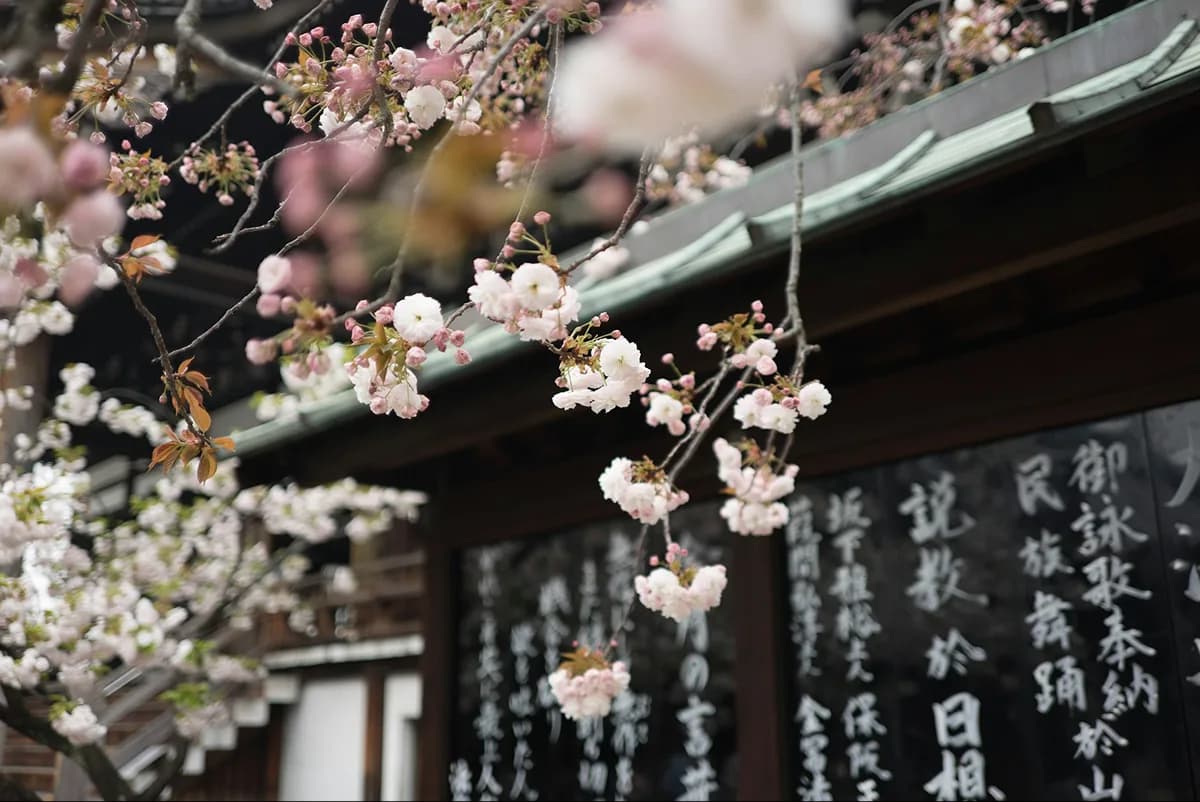
The Language of the Japanese Tea Ceremony
The Japanese tea ceremony (茶道) is a study in language as ritual. The vocabulary of chado reveals how Japanese culture encodes respect, impermanence, and presence into everyday objects.
Tea as Philosophy
The Japanese tea ceremony — 茶道 (chadou or sadou) — is not about tea. Or rather, it's not only about tea. It's about the intersection of architecture, ceramics, calligraphy, garden design, and language into a single hour of deliberate presence.
Sen no Rikyū (千利休), the 16th-century tea master who formalized the ceremony, described its spirit in four words:
和敬清寂 (wa-kei-sei-jaku)
- 和 (wa) — harmony
- 敬 (kei) — respect
- 清 (sei) — purity
- 寂 (jaku) — tranquility
These four kanji are the philosophical DNA of every tea ceremony held since.
---
Essential Vocabulary of the Tea Room
茶室 (chashitsu) — Tea room
The small, deliberately simple room where the ceremony takes place. Traditional chashitsu are designed to disorient status — a low crawl-through entrance (躙口, nijiriguchi) ensures every guest, regardless of rank, must bow to enter.
一期一会 (ichigo ichie)
"One time, one meeting." This phrase — the philosophical center of tea ceremony — describes every encounter as unrepeatable. You will never have this exact gathering again. Therefore: full presence.
茶碗 (chawan) — Tea bowl
The vessel. In tea ceremony, the highest-quality chawan are often deliberately imperfect — asymmetrical, slightly cracked, rough. 侘び (wabi) — the beauty of imperfection — is expressed most directly in ceramics.
点前 (temae) — The procedure
Every movement in tea ceremony has a name. 点前 refers to the formalized sequence of motions for preparing tea. Mastery of temae takes years — not because the movements are complex, but because each must be completely natural, free of self-consciousness.
お辞儀 (ojigi) — Bowing
The depth and duration of a bow encodes the relationship between host and guest. A tea ceremony master can read a room's social dynamics entirely from bowing angles.
---
Phrases Used During the Ceremony
「お点前ちょうだいいたします」 (Otemae choudai itashimasu) "I gratefully receive your preparation." Said by the guest before drinking. One of the most formal expressions in the Japanese language.
「お菓子をどうぞ」 (Okashi wo douzo) "Please have a sweet." The sweets (wagashi) are served before the tea to balance bitterness.
「結構なお点前でした」 (Kekkou na otemae deshita) "That was a splendid preparation." A formal compliment to the host.
---
What Tea Ceremony Teaches About Japanese
The language of tea ceremony is among the most formal Japanese a student will encounter. But studying it reveals patterns that appear everywhere:
**Humble language (謙譲語, kenjougo) — the host diminishes their own actions. Respectful language (尊敬語, sonkeigo)** — the host elevates the guest's actions.
The same grammatical architecture that governs a modern business email governed a 16th-century tea room.
---
A Note on Wabi-Sabi
侘び寂び (wabi-sabi) is the aesthetic principle underlying tea ceremony — the beauty of impermanence, imperfection, and incompleteness. A cracked tea bowl repaired with gold lacquer (金継ぎ, kintsugi) is considered more beautiful for having been broken.
This is not just aesthetics. It's a philosophy of language too. Japanese poetry — haiku especially — operates on the same principle. Seventeen syllables that leave more unsaid than said.
> 何もない中に何かある > (Nani mo nai naka ni nanika aru) > In the middle of nothing, something exists.